

Key Takeaways
- Manure is no longer just waste—it’s a valuable asset.
- Sand management is the foundation of success.
- Scale makes smart manure management critical.
- Strong fundamentals drive lasting results.
There’s one truth every dairy producer knows: when cows eat, they produce milk, and they poop. A lot! Managing manure might not be glamorous, but it’s necessary. Left unchecked, it can create piles of “obstacles”; managed smartly, it becomes an asset.
After nearly two decades with manure systems, I’ve seen how turning this daily challenge into an advantage is what sets great operations apart.
Today’s dairy families strive to leave a lasting legacy – they are stewards of the land, adopting new best practices that protect both profitability and the environment, so their farms can thrive for future generations.
Why Manure Matters More Than Ever:
Liability vs. Asset
Every farm faces the reality of managing production waste. As the industry shifts from small family dairies to larger, commercially managed herds, the volume, challenges, and responsibilities of manure management grow exponentially. An average lactating cow produces over 100 pounds of manure daily. Multiply that by your herd size and add in the dry cows, heifers, calves, and you’re handling hundreds of tons of organic material weekly.
There are multiple ways to tackle this issue and begin to reduce costs. The right approach depends on your herd size and infrastructure. First up: separation basics.
The Grit in the System:
Prepping Manure for Value
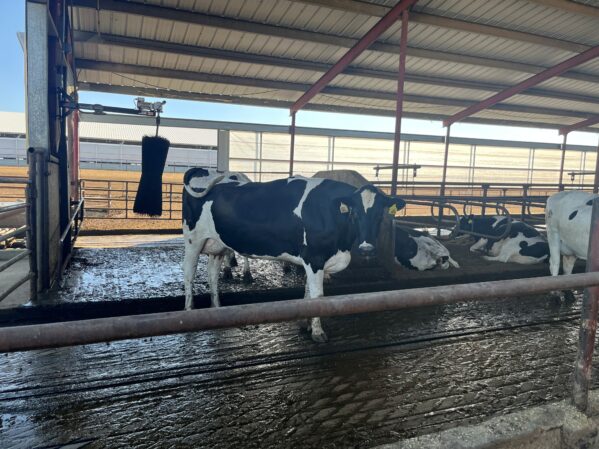
As herd sizes increase, finding the most efficient and reliable way to handle manure becomes even more important. And a big problem is sand. It is the fundamental hurdle that prevents many operations from moving to an advanced value recovery system.
While sand bedding offers outstanding cow comfort, it also presents challenges: abrasive grit wears out pumps and augers, collects in pits, and reduces storage capacity. Nearly every dairy must deal with sand from bedding, wind, or cows tracking it in from corrals. Fine sand is particularly stubborn and slips through most mechanical removal systems.
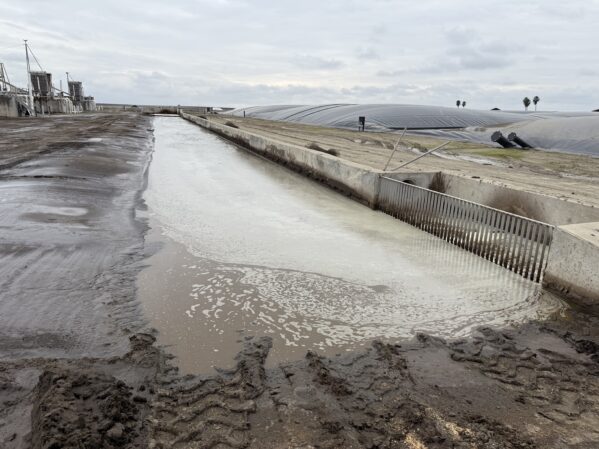
Focusing on sand management from the start lets you control costs, protect equipment, and set your operation up to unlock the full value of your manure resource. The good news? Trusted solutions like sand lanes, flumes, or reception pits with ramps make regular cleaning straightforward—no fancy equipment required, just a loader and a good plan will get you started.
Best Practices Start with Fundamentals:
To maximize this return and build a future-proof system, every operation should commit to these core fundamentals:
- Partnering with a trusted advisor or expert who can help you navigate technologies, regulations, and funding opportunities to design a system that works for your operation.
- Regular monitoring of nutrient content for optimal application.
- Maintaining equipment for abrasion and wear.
- Adopting solutions that fit your herd and environment.
- Treating regulatory compliance as part of stewardship—honoring your land, community, and legacy.
We see proof every day of dairies that have invested in modern manure management, achieving tangible returns and turning waste into new, profitable revenue centers.
Your Partner in Progress
We’ll work with you to design and implement a manure solution tailored to your herd, region, and regulatory needs. There’s no one-size-fits-all.
Contact us to explore your options and discover what your manure can do.
Related Posts
The Chemical Myth: Five Other Factors Impacting Milk Quality
In a previous role, I was spending time with a dairy nutritionist who was telling me about an experience he had with a dairy customer. This dairy was struggling with…

The Impact of Pulsation on the Milking Process
Why is Pulsation so important in the milking process? In the world of dairy, efficiency, animal welfare, and milk quality are all tightly connected—and pulsation in your parlor is one…